
Addressed to: Andrologists and embryologists at the Assisted Reproduction Lab
Course objetive: To provide practical training in fundamental and advanced techniques of Andrology, to optimize the quality of work in the laboratory and to promote the implementation of homogeneous criteria in the Assisted Reproduction centers in Latin America.
Addressed to: Speacialists in Assisted Reproduction
Course objective: To deepen knowledge for specialists in reproductive medicine.
| Time | Presentation title | Speaker/Authors |
|---|---|---|
| 14:00 |
Gamete compatibility: a critical choice for oocyte selection?
Gamete compatibility: a critical choice for oocyte selection?
|
|
| 14:20 |
Discussion
Discussion
|
|
| 14:30 |
Sperm and its source: Does it change the Assisted Reproduction?
Sperm and its source: Does it change the Assisted Reproduction?
|
|
| 14:50 |
Discussion
Discussion
|
|
| 15:00 |
The embryo: time-lapse and metabolomics: where are we?
The embryo: time-lapse and metabolomics: where are we?
|
|
| 15:20 |
Discussion
Discussion
|
|
| 15:30 |
PGT-P - different interests and implications: for whom?
PGT-P - different interests and implications: for whom?
|
|
| 15:50 |
Discussion
Discussion
|
Addressed to: Clinical andrologists, biologists and embryologists of the Assisted Reproduction, specialists in reproductive medicine.
Course objective: To offer a comprehensive and critical update on the most relevant advances in the evaluation, diagnosis and management of the male factor, integrating the latest scientific evidence with daily clinical practice.
| Time | Presentation title | Speaker/Authors |
|---|---|---|
| 14:00 |
What tests to perform on seminal plasma (Ideal routine)
What tests to perform on seminal plasma (Ideal routine)
|
|
| 14:20 |
Retrograde ejaculation, advances in technique.
Retrograde ejaculation, advances in technique.
|
|
| 14:40 |
Asthenozoospermia/Teratozoospermia, which we have within our reach
Asthenozoospermia/Teratozoospermia, which we have within our reach
|
|
| 15:10 |
Is sperm FISH still useful?
Is sperm FISH still useful?
|
|
| 15:30 |
Discussion
Discussion
|
Addressed to: Leaders, managers, clinic and laboratory directors, and business development executives.
Course objetive: To train professionals in the field of Assisted Reproductive Technology (ART) to gain the strategic, financial and ethical knowledge essential to manage, innovate and expand high-quality fertility clinics and services.
| Time | Presentation title | Speaker/Authors |
|---|---|---|
| 14:00 |
Changes in Latin America are knocking at the door.
Changes in Latin America are knocking at the door.
|
|
| 14:30 |
Strategy, transition and future readiness: a legacy for the next generation
Strategy, transition and future readiness: a legacy for the next generation
|
|
| 15:00 |
How to optimize business success, quality, and personalized experiences?
How to optimize business success, quality, and personalized experiences?
|
|
| 15:30 |
Discussion
Discussion
|
Addressed to: Nurses, obstetricians, midwives who work in the area of assisted reproduction or require advanced knowledge.
Course objective: Strengthen skills and update knowledge in the area.
| Time | Presentation title | Speaker/Authors |
|---|---|---|
| 14:00 |
Importance of the male factor and its implications in the results of a high complexity treatment - role of the obstetrician and nurse in R.A.
Importance of the male factor and its implications in the results of a high complexity treatment - role of the obstetrician and nurse in R.A.
|
|
| 14:30 |
New perspectives on the impact of fertility preservation - Educational role of obstetricians and nurses in assisted reproductive technology.
New perspectives on the impact of fertility preservation - Educational role of obstetricians and nurses in assisted reproductive technology.
|
|
| 15:00 |
What does the endometrium tell us today? Endometrial receptivity/microbiota test. Educational role of healthcare professionals in A.R.
What does the endometrium tell us today? Endometrial receptivity/microbiota test. Educational role of healthcare professionals in A.R.
|
|
| 15:30 |
Discussion
Discussion
|
Addressed to: Psychologists
Course objetive: Develop practical tools for psychological intervention and emotional support, applicable in different phases of the reproductive process.
| Time | Presentation title | Speaker/Authors |
|---|---|---|
| 14:00 |
Communication and emotional management in assisted reproduction processes
Communication and emotional management in assisted reproduction processes
|
|
| 14:30 |
A desire for perfection? Emotions, ethics, and expectations in preimplantation genetic testing
A desire for perfection? Emotions, ethics, and expectations in preimplantation genetic testing
|
|
| 15:00 |
Born through ART: Bioethical discussions surrounding communication about origin
Born through ART: Bioethical discussions surrounding communication about origin
|
|
| 15:30 |
Discussion
Discussion
|

| Time | Presentation title | Speaker/Authors |
|---|---|---|
| 14:00 |
Opening & strategic vision
Opening & strategic vision
|
|
| 14:15 |
Carrier testing (Carrier Screening):
Carrier testing (Carrier Screening):
|
|
| 14:45 |
Fertility Panel: When to Investigate Beyond the Basics
Fertility Panel: When to Investigate Beyond the Basics
|
|
| 15:00 |
Dominant Disease Panel: Real Risk in Reproduction
Dominant Disease Panel: Real Risk in Reproduction
|
|
| 15:30 |
Use of Genetic Panels in Couples, Donors and Recipients
Use of Genetic Panels in Couples, Donors and Recipients
|
Addressed to: Andrologists and embryologists at the Assisted Reproduction Lab
Course objetive: To provide practical training in fundamental and advanced techniques of Andrology, to optimize the quality of work in the laboratory and to promote the implementation of homogeneous criteria in the Assisted Reproduction centers in Latin America.
Addressed to: Speacialists in Assisted Reproduction
Course objective: To deepen knowledge for specialists in reproductive medicine.
| Time | Presentation title | Speaker/Authors |
|---|---|---|
| 16:30 |
The immunology of implantation: is the soil prepared?
The immunology of implantation: is the soil prepared?
|
|
| 16:50 |
Discussion
Discussion
|
|
| 17:00 |
Implementation failure: where is it, how to overcome it?
Implementation failure: where is it, how to overcome it?
|
|
| 17:20 |
Discussion
Discussion
|
|
| 17:30 |
Nutrition - supplements and infertility: is there a rationale?
Nutrition - supplements and infertility: is there a rationale?
|
|
| 17:50 |
Discussion
Discussion
|
|
| 18:00 |
Asking to the specialists
Asking to the specialists
|
Addressed to: Clinical andrologists, biologists and embryologists of the Assisted Reproduction, specialists in reproductive medicine.
Course objective: To offer a comprehensive and critical update on the most relevant advances in the evaluation, diagnosis and management of the male factor, integrating the latest scientific evidence with daily clinical practice.
| Time | Presentation title | Speaker/Authors |
|---|---|---|
| 16:30 |
When is pentoxifylline useful?
When is pentoxifylline useful?
|
|
| 16:50 |
Fragmentation, diagnosis and treatment in men.
Fragmentation, diagnosis and treatment in men.
|
|
| 17:10 |
How does the male factor affect embryonic development?
How does the male factor affect embryonic development?
|
|
| 17:30 |
Discussion
Discussion
|
Addressed to: Leaders, managers, clinic and laboratory directors, and business development executives.
Course objetive: To train professionals in the field of Assisted Reproductive Technology (ART) to gain the strategic, financial and ethical knowledge essential to manage, innovate and expand high-quality fertility clinics and services.
| Time | Presentation title | Speaker/Authors |
|---|---|---|
| 16:30 |
Errors in the Assisted Reproduction laboratory: how to prevent them and ensure excellence from an accreditor's perspective
Errors in the Assisted Reproduction laboratory: how to prevent them and ensure excellence from an accreditor's perspective
|
|
| 17:00 |
The key to success in Assisted Reproduction: how quality indicators and efficiency can make all the difference
The key to success in Assisted Reproduction: how quality indicators and efficiency can make all the difference
|
|
| 17:30 |
Data analysis in the laboratory: the secret to detecting errors and ensuring perfect embryonic development
Data analysis in the laboratory: the secret to detecting errors and ensuring perfect embryonic development
|
|
| 18:00 |
Discussion
Discussion
|
Addressed to: Nurses, obstetricians, midwives who work in the area of assisted reproduction or require advanced knowledge.
Course objective: Strengthen skills and update knowledge in the area.
| Time | Presentation title | Speaker/Authors |
|---|---|---|
| 16:30 |
Artificial Intelligence (AI) and its application in Assisted Reproduction
Artificial Intelligence (AI) and its application in Assisted Reproduction
|
|
| 17:00 |
Genetic tests indicated in medical consultation - Educational role of the Nurse - Obstetrician - Midwife
Genetic tests indicated in medical consultation - Educational role of the Nurse - Obstetrician - Midwife
|
|
| 17:30 |
How to address bioethical challenges in the care of patients with fertility problems
How to address bioethical challenges in the care of patients with fertility problems
|
|
| 18:00 |
Discussion
Discussion
|
Addressed to: Psychologists
Course objetive: Develop practical tools for psychological intervention and emotional support, applicable in different phases of the reproductive process.
| Time | Presentation title | Speaker/Authors |
|---|---|---|
| 16:30 |
Biology and psychological impact: discourses, communication and decision-making in gamete donation
Biology and psychological impact: discourses, communication and decision-making in gamete donation
|
|
| 17:00 |
Donor evaluation. Research-based updates
Donor evaluation. Research-based updates
|
|
| 17:30 |
Honoring the journey: The psychologist's role in the patient's decision to stop fertility treatments
Honoring the journey: The psychologist's role in the patient's decision to stop fertility treatments
|
|
| 18:00 |
Discussion
Discussion
|
Addressed to: Physicians specializing in human reproduction, gynecology, and urology, as well as geneticists. Embryologists (biomedical scientists, biologists, biotechnologists…) Clinical coordinators Gamete bank professionals Multidisciplinary IVF teams (nursing).
Course objective: To empower IVF professionals to use, in a practical way: Carrier testing Fertility panel Dominant disease panel PGT-A with new technologies as real tools to support clinical decision-making, and not just as automated protocols.
| Time | Presentation title | Speaker/Authors |
|---|---|---|
| 16:30 |
PGT-A Today: New Technologies and Clinical Benefit
PGT-A Today: New Technologies and Clinical Benefit
|
|
| 16:50 |
Evolution of PGT-A (NGS, resolution, accuracy, mosaicism)
Evolution of PGT-A (NGS, resolution, accuracy, mosaicism)
|
|
| 17:15 |
Session 3: communication & shared decision
Session 3: communication & shared decision
|
|
| 17:30 |
Discussion of clinical cases
Discussion of clinical cases
|
|
| 18:15 |
Closing remarks and a vision for the future
Closing remarks and a vision for the future
|
| Time | Presentation title | Speaker/Authors |
|---|---|---|
| 19:00 |
Big data after 35 years of Latin American Registry of Assisted Reproduction
Big data after 35 years of Latin American Registry of Assisted Reproduction
|
|
| 19:30 |
New patients data identification system
New patients data identification system
|
| Time | Presentation title | Speaker/Authors |
|---|---|---|
| 08:15 |
Sperm DNA Fragmentation: causes, evaluation and management in male infertility
Sperm DNA Fragmentation: causes, evaluation and management in male infertility
Download full paper here. |
|
| 08:30 |
Morphological assessment of oocyte quality during assisted reproductive technology cycle
Morphological assessment of oocyte quality during assisted reproductive technology cycle
Download full paper here. |
|
| 08:45 |
Q&A
Q&A
|
Addressed to: Gynecological physicians interested in minimally invasive gynecological surgery, specialists in AR and advanced residents.
Course objective: To train surgical skills in laparoscopy and applied to gynecology and infertility; to practice basic, intermediate and advanced techniques in simulators and biological models; to promote academic exchange among Latin American specialists.
Contents: Laparoscopic techniques, ergonomics, knots, etc.; technological innovations in reproductive surgery.
Benefits: Official certification of participation; networking with regional leaders in reproductive surgery.

| Time | Presentation title | Speaker/Authors |
|---|---|---|
| 10:00 |
Mastering Ultra-Fast Vitrification Protocols: From Principles to Live Practical Demonstration
Mastering Ultra-Fast Vitrification Protocols: From Principles to Live Practical Demonstration
|

| Time | Presentation title | Speaker/Authors |
|---|---|---|
| 10:00 |
Detección de Triploidias embrionarias: Morfocinética vs Genética
Detección de Triploidias embrionarias: Morfocinética vs Genética
|
| Time | Presentation title | Speaker/Authors |
|---|---|---|
| 11:00 |
Alimentation impact in male and female fertility
Alimentation impact in male and female fertility
|
|
| 11:20 |
Emotional managements in patients under ART treatment
Emotional managements in patients under ART treatment
|
|
| 11:40 |
Body Builders and male subfertility or sexual disfunction?
Body Builders and male subfertility or sexual disfunction?
|
|
| 12:00 |
Discussion
Discussion
|
| Time | Presentation title | Speaker/Authors |
|---|---|---|
| 11:00 |
AI in oocytes selection
AI in oocytes selection
|
|
| 11:20 |
AI in sperm selection
AI in sperm selection
|
|
| 11:40 |
AI in embryo selection
AI in embryo selection
|
|
| 12:00 |
Discusión
Discusión
|
| Time | Presentation title | Speaker/Authors |
|---|---|---|
| 12:30 |
Hacia una ovodonación más eficiente: ¿todos los protocolos son iguales? Lunch Symposium sponsored by Merck
Hacia una ovodonación más eficiente: ¿todos los protocolos son iguales? Lunch Symposium sponsored by Merck
|
| Time | Presentation title | Speaker/Authors |
|---|---|---|
| 14:00 |
Hysteroscopy in cesarian scar pregnancy treatment
Hysteroscopy in cesarian scar pregnancy treatment
|
|
| 14:20 |
Intramural fibroids and IVF. When to operate and when not to
Intramural fibroids and IVF. When to operate and when not to
|
|
| 14:40 |
Secondary infertility related to Istchmocele: Current perspectives in reproductive surgery
Secondary infertility related to Istchmocele: Current perspectives in reproductive surgery
|
|
| 15:00 |
Discussion
Discussion
|
| Time | Presentation title | Speaker/Authors |
|---|---|---|
| 14:00 |
From Double Helix to Double Trouble: Sperm DNA Fragmentation Unveiled - A Reproductive Urologist Perspective
From Double Helix to Double Trouble: Sperm DNA Fragmentation Unveiled - A Reproductive Urologist Perspective
|
|
| 14:20 |
Male infertility and endocrine disruptors. Reproductive outcomes
Male infertility and endocrine disruptors. Reproductive outcomes
|
|
| 14:40 |
Artificial spermatogenesis
Artificial spermatogenesis
|
|
| 15:00 |
Discussion
Discussion
|
Addressed to: Gynecological physicians interested in minimally invasive gynecological surgery, specialists in AR and advanced residents.
Course objective: To train surgical skills in laparoscopy and applied to gynecology and infertility; to practice basic, intermediate and advanced techniques in simulators and biological models; to promote academic exchange among Latin American specialists.
Contents: Laparoscopic techniques, ergonomics, knots, etc.; technological innovations in reproductive surgery.
Benefits: Official certification of participation; networking with regional leaders in reproductive surgery.
| Time | Presentation title | Speaker/Authors |
|---|---|---|
| 15:30 |
Ovarian stimulation and its impact on the egg quality
Ovarian stimulation and its impact on the egg quality
|
| Time | Presentation title | Speaker/Authors |
|---|---|---|
| 16:30 |
Association among Embryo culture, Cryopreservation and Birth defects in ART
Association among Embryo culture, Cryopreservation and Birth defects in ART
|
|
| 16:50 |
The efficiency of ART has improved the last years?
The efficiency of ART has improved the last years?
|
|
| 17:10 |
Is studying the metabolomic profile beneficial for fertility treatments?
Is studying the metabolomic profile beneficial for fertility treatments?
|
|
| 17:30 |
Discussion
Discussion
|
| Time | Presentation title | Speaker/Authors |
|---|---|---|
| 16:30 |
The moral status of the in vitro embryo: the view of clinical embryologists
The moral status of the in vitro embryo: the view of clinical embryologists
|
|
| 16:50 |
ni-PGT-A: the future yet?
ni-PGT-A: the future yet?
|
|
| 17:10 |
The impact of the embryo lab reducing mosaicism
The impact of the embryo lab reducing mosaicism
|
|
| 17:30 |
Discussion
Discussion
|
| Time | Presentation title | Speaker/Authors |
|---|---|---|
| 08:00 |
Is it more important the PGT or the physiology of implantation?
Is it more important the PGT or the physiology of implantation?
|
| Time | Presentation title | Speaker/Authors |
|---|---|---|
| 08:00 |
The future of ART in Latam seen by its actors
The future of ART in Latam seen by its actors
|
| Time | Presentation title | Speaker/Authors |
|---|---|---|
| 09:00 |
FROM OOCYTE TO STROLLER: CYCLE-LEVEL AI INTEGRATES OOCYTE COMPETENCE AND VITRIFIED EMBRYO VIABILITY TO PREDICT LIVE BIRTH PER RETRIEVAL AND ASSESS NEONATAL SAFETY IN FREEZE-ALL IVF
FROM OOCYTE TO STROLLER: CYCLE-LEVEL AI INTEGRATES OOCYTE COMPETENCE AND VITRIFIED EMBRYO VIABILITY TO PREDICT LIVE BIRTH PER RETRIEVAL AND ASSESS NEONATAL SAFETY IN FREEZE-ALL IVF
ObjectiveTo evaluate whether AI-derived oocyte competence (MAGENTA™) and embryo viability (KIDScore™) can be translated into cycle-level prediction of live birth per oocyte retrieval in freeze-all IVF cycles, and to investigate whether embryo-level AI signals are associated with perinatal outcomes among singleton live births. MethodsThis retrospective cohort study included freeze-all IVF/ICSI retrieval cycles generating ≥1 vitrified embryo with available clinical follow-up. We applied a cycle-level embryo-stock framework aligned with real-world counseling in freeze-all care, where prognosis depends on the cohort of vitrified embryos produced per retrieval rather than on individual transfer events. Oocyte competence was summarized using an upper-tail cohort metric, defined as the 90th percentile of the MAGENTA™ score distribution within each retrieval (MAGENTA P90), capturing high-competence density while minimizing sensitivity to single-oocyte extremes. Embryo viability was summarized using the maximum KIDScore™ among vitrified embryos per retrieval (best vitrified embryo). The primary endpoint was ≥1 live birth per retrieval (LB/cycle). Secondary time-to-event endpoints included time to clinical pregnancy (TTP) and time to live birth (TLB). TTP was defined as the interval from retrieval to first clinical pregnancy following frozen embryo transfer (FET), censoring at last recorded FET date. TLB was defined as the interval from retrieval to delivery date when available, censoring at last recorded FET date; analyses were restricted to cycles with documented delivery dates. Models were adjusted for maternal age and number of mature (MII) oocytes, with patient-cluster robust inference. Perinatal outcomes were assessed among singleton live births and included birthweight, gestational age, neonatal length, sex, and congenital abnormalities. ResultsThe dataset included 2,183 cycles from 1,625 patients; 1,184 cycles had known live-birth follow-up and 1,758 produced ≥1 vitrified embryo. Oocyte AI → embryo stock: Per 1 SD increase in MAGENTA-P90, the number of vitrified embryos increased (IRR 1.51; 95% CI 1.44–1.59; p<0.001) and best vitrified-embryo KIDScore increased (+0.26 points; 95% CI 0.14–0.38; p=0.000017), adjusted for age and MII. Findings were consistent using maximum MAGENTA. Live birth per retrieval: In complete cases (N=895; 289 LB events), embryo viability independently predicted LB/cycle (maximum KIDScore OR 1.35 per SD; 95% CI 1.11–1.64; p=0.0027), whereas MAGENTA-P90 was not independently associated after accounting for KIDScore (OR 1.00; 95% CI 0.85–1.19; p=0.97), supporting an upstream contribution of oocyte competence via embryo stock formation. Observed LB/cycle increased stepwise across maximum KIDScore quintiles: 21.5%, 25.3%, 32.0%, 40.5%, and 41.6% from Q1 to Q5. Model-based predicted probabilities showed a similar gradient (22.8% to 39.6%). Time-to-event outcomes: Among cycles contributing TTP data (N=1,035; 955 events), higher maximum KIDScore was associated with increased hazard of clinical pregnancy (HR 1.13 per SD; 95% CI 1.05–1.22; p=0.00063), whereas MAGENTA-P90 was not independently associated. In exploratory TLB analyses (N=572; 54 deliveries), maximum KIDScore predicted shorter time to live birth (HR 1.49 per SD; 95% CI 1.02–2.16; p=0.037). Perinatal outcomes: Among 283 singleton live births, mean birthweight was 3,104 g, gestational age 38.0 weeks, and length 47.9 cm. Adjusted birthweight increased by +75 g per SD of KIDScore (95% CI 21–130; p=0.0069), with no adverse perinatal signal. Congenital abnormalities were uncommon (5/235). ConclusionA cycle-level embryo-stock AI framework supports clinically actionable counseling in freeze-all IVF. Higher oocyte competence (MAGENTA upper-tail metric) is associated with greater embryo-stock quantity and quality, while the best vitrified-embryo KIDScore provides the strongest direct prognostic signal for live birth per retrieval, yielding clear and clinically interpretable probability gradients. Time-to-event analyses were directionally consistent, and perinatal outcomes among singleton births were reassuring, supporting effectiveness-oriented counseling integrated. |
|
| 09:10 |
CHOOSING THE TYPE OF PROGESTERONE FOR LUTEAL PHASE SUPPORT IN NATURAL EUPLOID EMBRYO TRANSFER CYCLES.
CHOOSING THE TYPE OF PROGESTERONE FOR LUTEAL PHASE SUPPORT IN NATURAL EUPLOID EMBRYO TRANSFER CYCLES.
Objective: To compare reproductive outcomes according to the type of progesterone used for luteal phase support in natural cycles undergoing single euploid blastocyst transfer. Methods: Retrospective, single-center observational study. A total of 281 single embryo transfer cycles involving good-quality blastocysts (grade 3 to 6, A/B), tested by PGT-A, performed between August 2021 and May 2025 were included. Patients were divided into three natural-cycle endometrial preparation groups according to the type of progesterone luteal phase support used: oral dydrogesterone (DYG), micronized vaginal progesterone (MVP), or a combination of both. Exclusion criteria were submucosal fibroids, endometrial polyps, intramural fibroids ≥ 5 cm, and hydrosalpinx identified by transvaginal ultrasound. Patients with regular cycles (21–35 days) underwent baseline and mid-follicular transvaginal ultrasound (TVU) to confirm a dominant follicle (≥14 mm). From that point, urinary LH testing was performed every 12h until detection of LH surge (LH+0). The presence of a corpus luteum was confirmed by TVU day LH + 2, as well as an endometrial thickness ≥ 7mm. Embryo transfer was LH +7 or P+5. Main Outcomes: Live birth, biochemical pregnancy (β-hCG), clinical pregnancy, miscarriage, and neonatal birth weight. Analyses were performed using generalized linear models (GLM), and results were expressed as odds ratios (ORs) with 95% confidence intervals (CIs). Analyses were adjusted for age, BMI, embryo morphology, and endometriosis. IBM SPSS Statistics software (version 29.0, 2023) was used. Results: Descriptive analysis of the study groups using ANOVA and chi-square tests showed no statistically significant differences in age (p = 0.896), BMI (p = 0.195), neonatal birth weight at 37–38 weeks (p = 0.096), neonatal birth weight ≥ 39 weeks (p = 0.269), embryo morphology (p = 0.118), or presence of endometriosis (p = 0.489). The following outcome rates were observed in the DYG, MVP, and combined groups, respectively: biochemical pregnancy rate (64.5% vs. 47.1% vs. 61.6%), clinical pregnancy rate (61.2% vs. 43.7% vs. 57.5%), miscarriage rate (8.1% vs. 5.3% vs. 2.4%), and live birth rate (55.4% vs. 39.1% vs. 56.2%). The comparison of rates showed a statistically significant difference in favor of the dydrogesterone group compared to the MVP group for biochemical pregnancy and clinical pregnancy (p = 0.014 and p = 0.015, respectively). GLM analysis demonstrated poorer outcomes in the MVP group for biochemical pregnancy, clinical pregnancy, and live birth (Table ). Conclusions: Oral dydrogesterone was associated with significantly higher live birth and pregnancy rates compared with micronized vaginal progesterone in natural euploid embryo transfer cycles. These findings suggest that the type of progesterone used for luteal phase support may directly impact reproductive outcomes and should be considered when optimizing natural cycle protocols.
Table Results of Generalized Linear Model Analyses for Outcomes
Note: OD = Odds ratio CI = Confidence Interval; p = Statistical Significance; R = Reference Values.Categorical variables (live birth, pregnancy, clinical pregnancy, and miscarriage) were expressed as odds ratios.All analyses were controlled for age, BMI, presence of endometriosis, and embryo morphology. |
 KARINA ABELHA RABACO KARINA ABELHA RABACO |
| 09:20 |
AGE-DEPENDENT EFFECTS OF RECOMBINANT LH SUPPLEMENTATION ON AI-DERIVED OOCYTE COMPETENCE, EMBRYO DEVELOPMENT AND LIVE BIRTH
AGE-DEPENDENT EFFECTS OF RECOMBINANT LH SUPPLEMENTATION ON AI-DERIVED OOCYTE COMPETENCE, EMBRYO DEVELOPMENT AND LIVE BIRTH
Objective To study whether recombinant LH (r-hLH) supplementation during controlled ovarian stimulation improves AI-assessed oocyte competence, embryo morphokinetics, and ICSI outcomes, particularly according to maternal age. Methods This retrospective cohort study included 12,092 oocytes from 1,983 ICSI cycles analysed and categorised according to stimulation protocol: recombinant human FSH alone (r-hFSH; 414 cycles, 2,632 oocytes) or recombinant human FSH plus LH (r-hFSH + r-hLH; 1,569 cycles, 9,460 oocytes). To address baseline differences in maternal age between groups, propensity score overlap weighting was applied, generating a balanced pseudo-population with equivalent age distribution across stimulation protocols. Propensity scores were estimated in the overall cohort and within predefined age strata (<36 years, 36–38 years, >38 years) to enable age-specific comparisons. Treatment effects were further explored using continuous modelling with restricted cubic splines to evaluate potential non-linear age-dependent associations without relying exclusively on arbitrary cut-offs. Oocytes were evaluated prior to ICSI using the MAGENTA™ artificial intelligence platform to generate the MAGENTA™ Score (MS). Embryos were cultured in a time-lapse imaging system for morphokinetic assessment. Outcomes included MS, embryo morphokinetics, fertilization, blastulation, implantation, miscarriage, and live birth rates.
Results Across the overall cohort, LH supplementation was associated with faster early morphokinetic events, including shorter tPNf (23.95 vs. 23.46 h, p<0.001) and t2 (26.59 vs. 26.09 h, p<0.001) as well as higher fertilization (95.7% vs. 88.1%, p<0.001) and blastulation rates (55.0% vs. 51.3%, p=0.033). Clinical pregnancy and implantation rates were comparable between groups; however, miscarriage was lower (7.0% vs. 12.2%, p=0.024) and live birth higher (54.5% vs. 48.5%, p=0.049) in r-hFSH + r-hLH cycles. In women <36 years, LH supplementation also accelerated some morphokinetic events, including shorter tPNf (23.22 vs. 23.99 h, p=0.015), t2 (25.81 vs. 26.57 h, p=0.017), t3 (36.44 vs. 37.22 h, p=0.028), t4 (37.96 vs. 39.01 h, p=0.012), t8 (57.69 vs. 59.20 h, p=0.047), tSB (99.32 vs. 101.43 h, p=0.045), and tB (107.69 vs. 110.53 h, p=0.040) and increased fertilization (95.2% vs. 90.9%, p=0.030). In the 36–38-year group, only fertilization differed (97.9% vs. 86.6%, p<0.001). In women >38 years, LH supplementation was associated with higher MS (5.91 vs. 5.71, p=0.044) and KIDScore (4.29 vs. 3.94, p=0.027), shorter tPNf (24.01 VS. 23.48 h, p=0.041) and t2 (26.62 vs. 26.01 h, p=0.049), higher fertilization (95.1% vs. 86.5%, p=0.016) and blastulation (50.8% vs. 43.0%, p<0.001), lower miscarriage (6.8% vs. 14.8%, p=0.045), and higher live birth (45.7% vs. 34.1%, p=0.015). Spline models confirmed significant age interactions for implantation (p=0.018), pregnancy (p=0.041), miscarriage (p=0.012), and live birth (p=0.009), demonstrating a progressive age-dependent benefit of LH supplementation. Conclusion Recombinant LH supplementation during controlled ovarian stimulation appears to confer a clinically meaningful, age-dependent benefit. Beyond improving fertilization, blastulation, and embryo developmental dynamics, LH supplementation was associated with enhanced AI-derived markers of oocyte competence and improved reproductive outcomes in women of advanced maternal age. The age-interaction analyses reinforce that the magnitude of benefit increases progressively with advancing age, supporting a biologically coherent effect of LH in mitigating age-related reproductive decline. These findings suggest that integrating LH into stimulation protocols may represent a rational, mechanism-based strategy to optimise embryo competence and reduce pregnancy loss, particularly in women >38 years.
|
| Time | Presentation title | Speaker/Authors |
|---|---|---|
| 09:00 |
Y CHROMOSOME HETEROCHROMATIN POLYMORPHISM (YQH+): IMPACT ON SPERMATOGENESIS AND ACCELERATED AGE-RELATED DECLINE
Y CHROMOSOME HETEROCHROMATIN POLYMORPHISM (YQH+): IMPACT ON SPERMATOGENESIS AND ACCELERATED AGE-RELATED DECLINE
Objective: Y chromosome heterochromatin polymorphisms (Yqh+ and Yqh-) are often considered benign variants, but their impact on male fertility remains controversial. This study aimed to compare seminal parameters between patients with 46,XY,Yqh+ polymorphisms and those men with normal karyotype (46,XY) to assess the risk of abnormal semen analysis in this variant, and to explore age-related effects on spermatogenesis in men carrying Yqh+. Methods: A retrospective comparative study from 242 infertile patients who underwent both karyotype and semen analysis was performed, without Y chromosome microdeletions. Patients were divided into two groups: control ( 46,XY; n=118) and (46,XY,Yqh+; n=124). Age, semen volume, pH, sperm concentration, total sperm count, normal morphology, vitality, round cells, leukocytes, DNA condensation, DNA fragmentation and seminal plasma biochemical markers were evaluated. Medians and interquartile ranges (25th-75th percentiles) were used, due to the non-normal distribution. Mann-Whitney U test for continuous variables and Fisher's exact test for categorical variables were used. Odds ratios (OR) with 95% confidence intervals (CI) were calculated. Significance was considered to be p < 0.05. Results: Age was similar between groups. Patients with 46,XY,Yqh+ had significantly lower median sperm concentration (p=0.011) and lower total sperm count (p=0.038) compared to control. The proportion of patients with concentration <16 M/mL was significantly higher in the 46,XY,Yqh+ group (24.7% vs 14.7%; OR=1.90; 95%CI 1.01-3.59; p=0.048); severe oligozoospermia (<5 M/mL) was also more frequent (9.6% vs 4.3%; OR=2.35; p=0.106); azoospermia was observed in 6.2% of Yqh+ group compared to 2.6% in the control group, representing a 2.4-fold increased risk, although this difference did not reach statistical significance (p=0.106).A negative correlation between age and sperm concentration was significant only in the Yqh+ group (rho=-0.20, p=0.021), and the decline with age was 3.4-fold higher than in controls (p for interaction=0.031). No significant differences were found in the other parameters assessed. The most clinically relevant parameters are summarized in Table. Conclusion: Y chromosome heterochromatin polymorphism (46,XY,Yqh+) was associated with a significant reduction in sperm concentration and total sperm count. The higher rate of azoospermia in the polymorphisms group highlights a clinically significant association with severe spermatogenic failure. Additionally, men with Y polymorphisms exhibited an age-related decline in sperm concentration, suggesting that the effects on spermatogenesis may intensify with advancing age. Our results challenge the traditional view of Yqh+ as a benign cytogenetic variant and support that the karyotype analysis should be part of the male infertility workup. |
 VANESSA COZ VANESSA COZ |
| 09:10 |
IMPROVING HUMAN SPERM CRYOPRESERVATION BY MODIFYING CRYOPROTECTANT DILUTION AND THAWING TEMPERATURE
IMPROVING HUMAN SPERM CRYOPRESERVATION BY MODIFYING CRYOPROTECTANT DILUTION AND THAWING TEMPERATURE
Objective: Semen cryopreservation is a cornerstone for fertility preservation and assisted reproductive medicine, and post-thaw quality is a critical determinant of clinical success. Commercially available cryoprotectants containing egg yolk and glycerol are widely used to protect sperm plasma membranes during freezing. This study aimed to optimize the human semen cryopreservation protocol by performing paired, within-ejaculate comparisons of different cryoprotectant concentrations and thawing temperatures.
Methods: A prospective study was conducted using semen samples from 15 volunteer donors. All donors provided informed consent, and the study was approved by the institutional review board. After liquefaction, baseline motility, vitality, and concentration were assessed. Each ejaculate was divided into aliquots and mixed with a commercial egg-yolk glycerol (EYG) cryoprotectant to achieve three final glycerol concentrations: 6% (1:2 dilution; manufacturer-recommended standard), 4% (1:3), and 3% (1:4). After 4 minutes, samples were held at -14°C for 20 minutes, placed in nitrogen vapor (~-80°C) for 20 minutes, and stored in liquid nitrogen. After ≥48 hours, all dilutions were initially thawed at 37°C to identify the optimal dilution based on post-thaw progressive motility. Using this selected dilution, additional aliquots were thawed at 37°C (standard), 42°C, and 47°C. Cryoprotectant was removed by two-step dilution with a pre-warmed medium followed by centrifugation (300×g, 7 minutes), and endpoints were measured immediately. The primary endpoint was progressive motility. Secondary endpoints included vitality (eosin), intracellular reactive oxygen species (ROS) by dihydroethidium (DHE) fluorescence, and DNA fragmentation by TUNEL (fluorescein-based assay). ROS and TUNEL values were transformed to (1 - value) where higher scores indicate better preservation. Statistical analysis included paired t-tests per parameter, random-effects meta-analysis (DerSimonian-Laird) integrating 20 paired comparisons across all parameters, hierarchical Bayesian inference for posterior probabilities of improvement, and global quality index analysis. Differences were defined statistically significant at p<0.05 (two-tailed), with effect sizes as Cohen's d.
Results: In dilution screening (37°C thaw), 1:3 showed the best post-thaw recovery and was selected for optimization; the manufacturer-recommended 1:2 performed less favorably, while 1:4 yielded the poorest outcomes. Using 1:3 for temperature testing, 42°C thawing produced the highest progressive motility and vitality, whereas 47°C resulted in inferior parameters. Random-effects meta-analysis demonstrated significant global benefit favoring the optimized protocol (EYG 1:3 + 42°C) over the standard (EYG 1:2 + 37°C) (d=+0.336; 95% CI: +0.016 to +0.656; p=0.040). Progressive motility showed the largest improvement (d=+0.725; 95% CI: +0.21 to +1.24; p=0.006). DNA fragmentation (1-TUNEL) and ROS (1-ROS) showed positive trends (d=+0.308 and d=+0.132, respectively), while vitality remained comparable (d=+0.064). Heterogeneity was low (I²=25.1%). Our optimized protocol indicates a 98.9% probability of overall superiority through Bayesian analysis. Fifty percent of samples showed clear improvement across most parameters, with biological coherence between enhanced motility and reduced oxidative stress. No adverse effects on viability were detected. The 1:4 dilution and thawing at 47°C produced inferior results compared to both standard and optimized protocols.
Conclusions: The optimized protocol (EYG 1:3 with 42°C thawing) showed statistically significant global superiority over the standard protocol. Progressive motility exhibited the greatest enhancement, and there were also favorable trends in lower oxidative stress and DNA fragmentation. This protocol reduced cryoprotectant consumption by 33% and shortened handling time, and the 42°C thawing temperature shortened handling time, improving laboratory efficiency and resource utilization while maintaining or enhancing post-thaw sperm quality. |
 Sofía Michele Núñez Santacruz Sofía Michele Núñez Santacruz |
| 09:20 |
CHROMOSOMAL ANALYSIS OF PRODUCTS OF CONCEPTION BY NEXT-GENERATION SEQUENCING AFTER MISCARRIAGE FOLLOWING EUPLOID EMBRYO TRANSFER
CHROMOSOMAL ANALYSIS OF PRODUCTS OF CONCEPTION BY NEXT-GENERATION SEQUENCING AFTER MISCARRIAGE FOLLOWING EUPLOID EMBRYO TRANSFER
OBJECTIVES: The transfer of euploid embryos selected through preimplantation genetic testing for aneuploidies (PGT-A) does not completely eliminate the risk of miscarriage. Analysis of products of conception (POC) after miscarriage following euploid embryo transfer may be essential to identify underlying causes and improve reproductive counseling. The objective of this study was to evaluate the chromosomal constitution of POCs from spontaneous miscarriages occurring after the transfer of embryos previously classified as euploid by PGT-A.
METHODS: This was a retrospective study including 110 POC samples from miscarriages following the transfer of euploid embryos confirmed by PGT-A between April 2021 and Jan 2026. Samples were obtained by aspiration or curettage between 4 and 18 weeks of gestation. For each case, three representative samples of fetal tissue or chorionic villi were selected. Low-coverage next-generation sequencing (NGS) was conducted. Ion ReproSeq™ PGS kit was used for library preparation, Ion Chef™ and Ion S5 System instruments for sequencing and Ion Reporter software for data analysis (Thermo Fisher Scientific, USA). A proprietary bioinformatics pipeline (v2.0) was used for the analysis of 24-chromosome aneuploidies and partial duplication/deletions (≥10Mb). Short tandem repeat (STR) analysis was performed to detect maternal cell contamination and ploidy abnormalities.
RESULTS: Fetal tissue was successfully recovered in 87.3% of samples (96/110), while 12.7% (14/110) showed maternal cell contamination. The mean maternal age was 38.2 years. Among the 96 samples with informative results, 92 POCs corresponded to euploid embryos (95.8%), consistent with the PGT-A result. Aneuploidies were identified in 2 cases (2.1%), one with trisomy 9 and the other one with monosomy X (45,X). Further analysis of distinct chorionic villi samples from this last case confirmed X chromosome mosaicism: one specimen demonstrated monosomy X(45,X), whereas another showed a normal female karyotype (46,XX), with maternal cell contamination excluded by STR analysis. Ploidy abnormalities were detected in another 2 cases (2.1%), including one triploidy XXX and one tetraploidy XXXX. It is well established that conventional PGT-A sequencing has limitations in detecting ploidy abnormalities. In our cohort, 1.0% of the 96 informative cases might have been identified using SNP-based PGT-A methodologies, which enable a more accurate assessment of the ploidy status. These findings demonstrate a high concordance between embryonic genetic diagnosis and fetal chromosomal constitution, consistent with the embryonic mosaicism rate observed in our PGT-A cases (~6%). Sex chromosome alterations were the abnormalities most frequently associated with fetal mosaicism.
CONCLUSIONS: This study highlights the importance of analyzing POCs after miscarriage, even following the transfer of euploid embryos, to accurately characterize the underlying causes of pregnancy loss. This is particularly relevant in cases where ploidy analysis using SNP-based methodologies has not been performed and also reinforces the advice for PGT-A approaches, including ploidy testing. Comprehensive POC analysis is essential for reproductive counseling, helping to differentiate sporadic events from potential recurrence risks. Advances in PGT-A methodology may improve diagnostic accuracy through enhanced detection of ploidy abnormalities. Continued investigation into post-zygotic genetic alterations and incorporation of advanced genomic technologies may further improve diagnostic precision and clinical management. |
 DANIELA LORENZI DANIELA LORENZI |
Addressed to: Gynecological physicians interested in minimally invasive gynecological surgery, specialists in AR and advanced residents.
Course objective: To train surgical skills in laparoscopy and applied to gynecology and infertility; to practice basic, intermediate and advanced techniques in simulators and biological models; to promote academic exchange among Latin American specialists.
Contents: Laparoscopic techniques, ergonomics, knots, etc.; technological innovations in reproductive surgery.
Benefits: Official certification of participation; networking with regional leaders in reproductive surgery.

| Time | Presentation title | Speaker/Authors |
|---|---|---|
| 10:00 |
How to optimize the best results in embryonic genetic analysis: a view from the laboratory
How to optimize the best results in embryonic genetic analysis: a view from the laboratory
La tecnología de secuenciación de nueva generación (NGS) transforma la jornada reproductiva al permitir análisis genéticos altamente precisos incluso con cantidades mínimas de muestra, aumentando la confiabilidad de los resultados. En este contexto, las pruebas genéticas preimplantacionales (PGT) se vuelven fundamentales para orientar decisiones clínicas más acertadas en reproducción asistida. Al posibilitar la selección de embriones con mayor potencial de éxito, estas soluciones genéticas integrales elevan la personalización y la seguridad de los tratamientos. Para ello, la biopsia embrionaria asume un papel crítico, garantizando la calidad y representatividad de la muestra analizada. |


| Time | Presentation title | Speaker/Authors |
|---|---|---|
| 10:30 |
Aplicación clínica del estudio del microbioma reproductivo en reproducción asistida
Aplicación clínica del estudio del microbioma reproductivo en reproducción asistida
|
| Time | Presentation title | Speaker/Authors |
|---|---|---|
| 11:00 |
Double stim in poor prognosis patient
Double stim in poor prognosis patient
|
|
| 11:20 |
ESHRE guideline: Ovarian stimulation for IVF and ICSI
ESHRE guideline: Ovarian stimulation for IVF and ICSI
|
|
| 11:40 |
Dual trigger versus GnRH-a trigger for elective fertility preservation
Dual trigger versus GnRH-a trigger for elective fertility preservation
|
|
| 12:00 |
Discussion
Discussion
|
| Time | Presentation title | Speaker/Authors |
|---|---|---|
| 11:00 |
ICSI with Testicular Sperm in Non-Azoospermic Men: Expert Opinion and Practical Algorithm
ICSI with Testicular Sperm in Non-Azoospermic Men: Expert Opinion and Practical Algorithm
|
|
| 11:20 |
Stem cell and gene therapies: FDA-approved already and prospects beyond 2026
Stem cell and gene therapies: FDA-approved already and prospects beyond 2026
|
|
| 11:40 |
The future of embryo selection in the lab
The future of embryo selection in the lab
|
|
| 12:00 |
Discussion
Discussion
|
| Time | Presentation title | Speaker/Authors |
|---|---|---|
| 14:00 |
Artificial vs Natural FET. Should we go back to nature for all?
Artificial vs Natural FET. Should we go back to nature for all?
|
|
| 14:20 |
Individualised luteal phase for cryotransfer
Individualised luteal phase for cryotransfer
|
|
| 14:40 |
The future of implantation studies
The future of implantation studies
|
|
| 15:00 |
Discussion
Discussion
|
| Time | Presentation title | Speaker/Authors |
|---|---|---|
| 14:00 |
Gametes and embryos obtained from stem cells
Gametes and embryos obtained from stem cells
|
|
| 14:20 |
Automation in the Lab
Automation in the Lab
|
|
| 14:40 |
From the Lab to the algorithm: disruptive innovation in AR with AI and Data Science
From the Lab to the algorithm: disruptive innovation in AR with AI and Data Science
|
|
| 15:00 |
Discussion
Discussion
|
Addressed to: Gynecological physicians interested in minimally invasive gynecological surgery, specialists in AR and advanced residents.
Course objective: To train surgical skills in laparoscopy and applied to gynecology and infertility; to practice basic, intermediate and advanced techniques in simulators and biological models; to promote academic exchange among Latin American specialists.
Contents: Laparoscopic techniques, ergonomics, knots, etc.; technological innovations in reproductive surgery.
Benefits: Official certification of participation; networking with regional leaders in reproductive surgery.
| Time | Presentation title | Speaker/Authors |
|---|---|---|
| 15:30 |
AI in reproductive medicine
AI in reproductive medicine
|
| Time | Presentation title | Speaker/Authors |
|---|---|---|
| 15:30 |
The future of the Genetics Laboratory
The future of the Genetics Laboratory
|
| Time | Presentation title | Speaker/Authors |
|---|---|---|
| 16:30 |
ILLUMINATING THE BLACK BOX OF ENDOMETRIAL RECEPTIVITY: AN AI-DERIVED ULTRASOUND SCORE PREDICTS CLINICAL PREGNANCY AFTER FROZEN EMBRYO TRANSFER
ILLUMINATING THE BLACK BOX OF ENDOMETRIAL RECEPTIVITY: AN AI-DERIVED ULTRASOUND SCORE PREDICTS CLINICAL PREGNANCY AFTER FROZEN EMBRYO TRANSFER
OBJECTIVE: To evaluate whether an artificial intelligence (AI)–derived score from transvaginal endometrial ultrasound images, combined with clinical parameters, can predict clinical pregnancy (CP) following frozen embryo transfer (FET), addressing the persistent challenge of objective endometrial receptivity assessment in Assisted Reproductive Technology. METHODS: This retrospective study included 176 FET cycles from 123 women treated between 2022 and 2024 at a university affiliated IVF center. As per clinical workflow, transvaginal sagittal endometrium ultrasound images were obtained on the day of exogenous progesterone initiation or luteinizing hormone surge in medicated and natural FET cycles, respectively. Together with patient age and recorded endometrial thickness, images were analyzed using a novel Endometrium-AI model. The AI model generates a continuous score (0 to 10), with higher scores indicating a greater predicted probability of CP. Scores were stratified into four predefined intervals (0–2.5, 2.6–5.0, 5.1–7.5, and 7.6–10.0) to assess dose-response relationship with CP outcomes. The primary outcome was CP, defined as the presence of a gestational sac and/or fetal heartbeat at 7 weeks’ gestation on ultrasound. Discriminatory performance was evaluated using ROC analysis (AUC, sensitivity, specificity). Continuous variables were compared using the Wilcoxon rank-sum test, and categorical variables using the chi-square test. Associations between Endometrium-AI score categories and clinical pregnancy were evaluated using univariable logistic regression. Multivariable logistic regression models were constructed to assess the independent predictive value of the Endometrium-AI score after adjustment for the number of good-quality embryos transferred and preimplantation genetic testing for aneuploidy (PGT-A) status. Odds ratios (ORs) with 95% confidence intervals (CIs) were reported. RESULTS: Mean patient age was 37.3 ± 5.8 years (range 21–51). Most cycles were medicated (n = 151), with a mean endometrial thickness of 9.07 ± 1.60 mm. The overall CP rate was 65.3% (115/176). Good quality embryos were transferred in 141 cycles, including 91 single and 50 double embryo transfers; of which, 62 cycles (35.2%) involved euploid embryos confirmed by preimplantation genetic testing for aneuploidy (PGT-A). The Endometrium-AI model demonstrated modest discriminatory performance (AUC 0.62; sensitivity 0.58; specificity 0.63). However, mean Endometrium-AI scores were significantly higher in cycles resulting in CP compared with non-CP cycles (3.99 ± 2.53 vs. 2.96 ± 2.35, p<0.001), and CP rates increased across Endometrium-AI score categories: 54.9% (0–2.5; n = 71), 65.5% (2.6–5.0; n = 55), 83.3% (5.1–7.5; n = 30), and 75.0% (7.6–10; n = 20) (p<0.05). Compared with the lowest category (0–2.5), patients scoring 5.1–7.5 had 4.1-fold higher odds of CP (OR 4.10, 95% CI 1.51–13.25). No statistically significant differences were observed for OR in the scores of 2.6–5.0 (OR 1.55, 95% CI 0.76–3.25) or 7.6–10.0 (OR 2.46, 95% CI 0.85–8.23). After adjustment for the number of good-quality embryos transferred and PGT-A status, associations remained significant for scores of 5.1–7.5 (OR 4.37, 95% CI 1.46–15.20) and 7.6–10.0 (OR 3.65, 95% CI 1.09–14.71), indicating independent predictive value beyond embryo quality. CONCLUSION: Although overall discriminative performance for predicting CP following FET was modest, higher Endometrium-AI score categories were independently associated with significantly increased odds of CP, even after adjustments for key embryonic variables. These findings suggest that AI-based analysis of transvaginal endometrial ultrasound images may provide clinically meaningful information beyond conventional measurements such as endometrial thickness, thereby contributing independently to CP success. Prospective multicenter validation is warranted to confirm generalizability and refine predictive thresholds. With further validation, Endometrium-AI has the potential to integrate into routine endometrial assessment as a standardized, non-invasive decision-support tool in FET cycles. |
|
| 16:40 |
ADJUNCTIVE INTERVENTIONS IN ASSISTED REPRODUCTION: THE NEED FOR ENHANCED INFORMED CONSENT IN FERTILITY "ADD-ONS"
ADJUNCTIVE INTERVENTIONS IN ASSISTED REPRODUCTION: THE NEED FOR ENHANCED INFORMED CONSENT IN FERTILITY "ADD-ONS"
Objective: Methods: Results: Adjunctive fertility interventions are frequently presented as potential success-enhancing strategies, particularly in emotionally complex clinical scenarios. However, interviews revealed that most professionals do not employ reinforced, intervention-specific consent forms when offering these therapies. Standard IVF consent documentation is commonly used without explicit disclosure regarding:
Importantly, interview data indicate that a substantial proportion of professionals are unaware of the ethical and legal requirement to implement enhanced informed consent when performing off-label or non-standard interventions. This omission does not appear to stem from deliberate concealment but from the widespread perception that general IVF consent is sufficient to cover adjunctive practices. However, failure to provide reinforced disclosure may constitute a breach of the enhanced duty of information required for non-standard therapeutic interventions. Jurisprudence in several Latin American jurisdictions has consistently held that deficiencies in informed consent may constitute autonomous medical malpractice, even when the technical medical act itself was properly executed. Consequently, inadequate disclosure of experimental status, uncertain efficacy, or specific risks significantly increases medico-legal exposure for both practitioners and institutions. In emotionally charged fertility contexts, patients may interpret adjunctive interventions as clinically endorsed strategies that meaningfully increase success rates. Absence of reinforced documentation amplifies the risk of litigation in cases of unsuccessful outcomes or lack of measurable benefit. Enhanced informed consent for adjunctive fertility interventions should therefore include: explicit disclosure of evidentiary limitations; clarification of off-label or non-standard status; individualized clinical justification; transparent risk–benefit analysis; acknowledgment of variable response; financial transparency; discussion of alternatives; and documented autonomous decision-making following adequate reflection time. Conclusion: Keywords: assisted reproduction; fertility add-ons; platelet-rich plasma; off-label use; enhanced informed consent; medical malpractice; clinical risk management.
|
 Paula Siverino Bavio Paula Siverino Bavio |
| 16:50 |
OVARIAN RESILIENCE AND EMBRYONIC COMPETENCE IN OOCYTE DONORS: A RETROSPECTIVE LONGITUDINAL ANALYSIS OF 1 TO 6 CONTROLLED OVARIAN STIMULATION CYCLES
OVARIAN RESILIENCE AND EMBRYONIC COMPETENCE IN OOCYTE DONORS: A RETROSPECTIVE LONGITUDINAL ANALYSIS OF 1 TO 6 CONTROLLED OVARIAN STIMULATION CYCLES
Objective The expansion of oocyte donation programs has raised concerns about the potential cumulative effect of repeated controlled ovarian stimulation (COS) cycles on functional ovarian reserve and oocyte quality in young donors. Available evidence is limited and heterogeneous, particularly in Latin American populations. This study aims to evaluate the impact of up to six consecutive COS cycles on the number of mature oocytes (MII), blastulation rate, and production of high-quality blastocysts in an oocyte donation program. Methods This retrospective longitudinal study analyzed 738 oocyte donation cycles performed between 2021 and 2026 in healthy donors aged 18–32 years, with body mass index (BMI) 18.5–27 kg/m² and normal ovarian reserve. Each donor contributed between 1 and 6 COS cycles. All donors underwent individualized short antagonist protocols with gonadotropin doses ranging from 150–300 IU/day and final oocyte maturation triggered by gonadotropin-releasing hormone (GnRH) agonist (0.2 mg). Oocyte pickup was performed 36 hours post-trigger, followed by intracytoplasmic sperm injection (ICSI) using frozen semen samples. Primary outcome measures included the number of MII oocytes retrieved per cycle, total number of blastocysts, number of high-quality blastocysts (≥3AA/AB/BA/BB on days 5–6), and an efficiency ratio defined as high-quality blastocysts per MII oocyte. Comparisons across the six donation cycles were performed using the Kruskal–Wallis test, with statistical significance set at p<0.05. Results Quantitative oocyte yield remained stable across the six COS cycles, with mean MII oocyte counts ranging from 19 to 21 per cycle and no significant differences between cycle groups (p=0.654). The number of blastocysts obtained (approximately 7–8 per cycle) and the number of high-quality blastocysts (approximately 4–5 per cycle) also showed no statistically significant variation (p=0.981 and p=0.892, respectively). The efficiency ratio ranged from 17.4% in the sixth cycle to 22.8% in the fifth cycle; the slight numerical decrease in the sixth cycle did not reach statistical significance and is consistent with expected biological variability in a smaller subgroup (n=15). The incidence of moderate–severe ovarian hyperstimulation syndrome (OHSS) and cycle cancellation was low and did not increase in later cycles. Table 1: Efficiency metrics across donation cycles. P-values: MII (p=0.654), Total Blastocysts (p=0.981), Top Embryos (p=0.892), Kruskal–Wallis test. Conclusion Repeated COS up to six cycles was not associated with measurable deterioration in functional ovarian reserve or embryonic competence, as assessed by MII oocyte yield, blastocyst formation, and blastocyst morphological quality. These findings support the safety and effectiveness of repeated oocyte donation within a six-cycle limit and provide local evidence aligned with current international recommendations. The stability of outcomes across multiple cycles suggests that young donors with normal ovarian reserve can safely undergo repeated stimulation without compromising oocyte quality or developmental potential. Further prospective studies with longer follow-up periods are warranted to evaluate potential long-term effects on donor reproductive health. |
 Olga Liliana Umaña Duarte Olga Liliana Umaña Duarte |
| Time | Presentation title | Speaker/Authors |
|---|---|---|
| 17:00 |
Psychological evaluation of the donors
Psychological evaluation of the donors
|
|
| 17:20 |
How does Assisted Reproduction help to build new family models?
How does Assisted Reproduction help to build new family models?
|
|
| 17:40 |
Discussion
Discussion
|
| Time | Presentation title | Speaker/Authors |
|---|---|---|
| 08:30 |
Algorithms that give life: How AI, Technology Watch and Data Analysis are transforming Assisted Reproduction
Algorithms that give life: How AI, Technology Watch and Data Analysis are transforming Assisted Reproduction
|
|
| 08:50 |
Can REDLARA rescue biomedical sciences in the North?
Can REDLARA rescue biomedical sciences in the North?
|
|
| 09:10 |
Clinical use of exosome therapy in patients with diminished ovarian reserve: results and therapeutic protocols
Clinical use of exosome therapy in patients with diminished ovarian reserve: results and therapeutic protocols
|
|
| 09:30 |
Discussion
Discussion
|
| Time | Presentation title | Speaker/Authors |
|---|---|---|
| 10:30 |
Conception and misconceptions
Conception and misconceptions
|
|
| 10:50 |
Individualized ovarian stimulation
Individualized ovarian stimulation
|
|
| 11:10 |
Preimplantation Genetic Testing
Preimplantation Genetic Testing
|
|
| 11:30 |
Discussion
Discussion
|
| Time | Presentation title | Speaker/Authors |
|---|---|---|
| 12:00 |
Implantation Failure: Anatomical Causes
Implantation Failure: Anatomical Causes
|
|
| 12:20 |
What to do in cases of implantation failure with euploid embryos
What to do in cases of implantation failure with euploid embryos
|
|
| 12:40 |
Discussion
Discussion
|
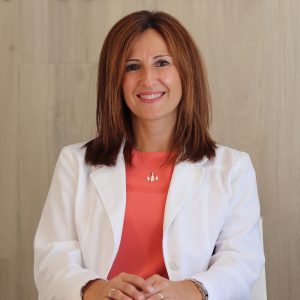
RAQUEL URTEAGA
Psicóloga General Sanitaria, especializada en Psicooncología y Psicología de la Fertilidad, con 24 años de experiencia profesional. Ha desarrollado su carrera tanto en el ámbito privado como en equipos multidisciplinares, ofreciendo terapia cognitivo-conductual y acompañando a pacientes en procesos complejos como la enfermedad, el duelo y la infertilidad.
Su compromiso con el crecimiento profesional la llevó a completar un Máster en Psicooncología y otro en Infertilidad, además de formación complementaria en Psicología Sanitaria y Jurídica.
Ha estado profundamente involucrada con la Sociedad Española de Fertilidad (SEF), participando activamente en comités, grupos de trabajo y, actualmente, como miembro del Registro Nacional y miembro del comité permanente del Grupo de Donación de Gametos y Embriones. Colabora regularmente como speaker en congresos nacionales e internacionales, centrando su labor en la sensibilización sobre la fertilidad y en la promoción del cuidado psicológico en la medicina reproductiva.
Además, posee el certificado europeo EuroPsy en Psicología Clínica y de la Salud y actualmente cursa el Doctorado en Psicología Clínica y de la Salud en la Universidad de Valencia


